The vagus nerve is a direct link between the gut and brain. Scientists have now used a mouse model to show that changes in gut bacteria could be directly linked to declines in cognition that can happen during aging. In aging mice, certain species of gut microbes became more common as the animals got older. Immune cells reacted to that change, triggering inflammation that interfered with vagus nerve signaling to the hippocampus–a region of the brain that is related to memory formation and movement. When aging mice were treated with vagus nerve stimulation, cognitive functions improved. The findings have been reported in Nature.
"Although memory loss is common with age, it affects people differently and at different ages," said senior study author Christoph Thaiss, Ph.D., assistant professor of pathology at Stanford University. "We wanted to understand why some very old people remain cognitively sharp while other people see significant declines beginning in their 50s or 60s. What we learned is that the timeline of memory decline is not hardwired; it's actively modulated in the body, and the gastrointestinal tract is a critical regulator of this process."
Levy also suggested that it may be possible to change the composition of the gut microbiome to promote the formation of certain metabolites, and affect brain function.
In this study, the investigators housed 2-month-old, young mice with 18-month-old, aged mice to expose each group to the other’s gut microbes. The microbiome compositions were assessed after one month, showing that the species in the microbiomes of younger mice had become more like those of the aged mice. The young mice had poorer performances on object recognition and maze tests compared to young, control mice.
When the young, exposed mice were treated to antibiotics that eliminated many gut microbes, their cognitive abilities were restored, and they performed like unexposed mice their age again.
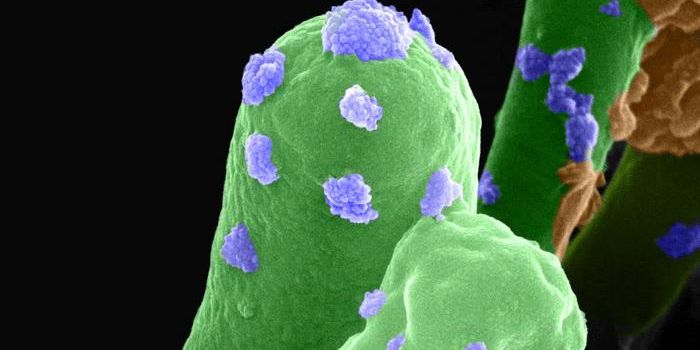
Additional work showed that Parabacteroides goldsteinii became more abundant in the gut microbiomes of old mice. When these microbes were added to the guts of young mice, object recognition and maze escape skills declined in those animals, which was linked to reduced activity in the hippocampus; Parabacteroides goldsteinii were directly associated with cognitive decline.
But cognition improved in the old mice when they received a molecule that stimulated to vagus nerve, and their abilities were like those seen in young mice.
As the abundance of Parabacteroides goldsteinii increased, so did the levels of bacterial metabolites known as medium-chain fatty acids, which are known to affect myeloid cells, causing inflammation. This leads to interference in vagus nerve signaling and hippocampal activity, disrupting memory formation.
"Basically, we've identified a three-step pathway toward cognitive decline that starts with gastrointestinal aging and the subsequent microbial and metabolic changes that occur. The myeloid cells in the GI tract sense these changes, and their inflammatory response impairs the connection between the gut and the brain via the vagus nerve,” said Thaiss.
"This is a direct driver of memory decline. And if we restore the activity of the vagus nerve, we can restore an old animal's memory function to that of a young animal."
Now the investigators want to confirm these findings in humans.
"Our hope is that ultimately, these findings can be translated into the clinic to combat age-related cognitive decline in people," Thaiss added.
Experienced research scientist and technical expert with authorships on over 30 peer-reviewed publications, traveler to over 70 countries, published photographer and internationally-exhibited painter, volunteer trained in disaster-response, CPR and DV counseling.