Our world is full of microbes, which have found homes in many environments, from extremely hot thermal vents in the ocean to the human gastrointestinal tract. Many of those microbes have become adapted to their niche habitats in very specific ways, and often help their hosts perform essential functions. There are many symbiotic relationships between insects and bacteria, for example, and these relationships often enable insects to get crucial nutrients they could not otherwise obtain.
As bacterial cells engage in symbiotic relationships, they often jettison unnecessary molecular parts, including entire genes. This can leave bacterial endosymbionts with very tiny genomes. Scientists have now identified a microbial symbiont that has the smallest genome ever found in an organism (not an organelle, like a mitochondrion). The DNA carried by these bacterial endosymbionts is so spare, these special organisms have nearly been rendered into organelles themselves. These findings have been reported in Nature Communications.
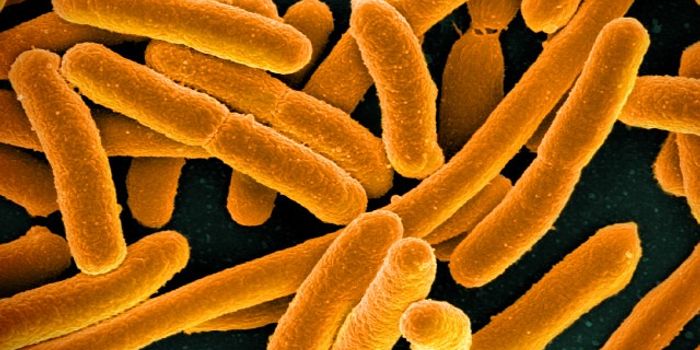
Endosymbiotic bacteria are well known for having very small genomes; some are fewer than 100,000 base pairs in length, compared to the half-a-million to 10-million-base-pair genomes that other bacterial cells carry.
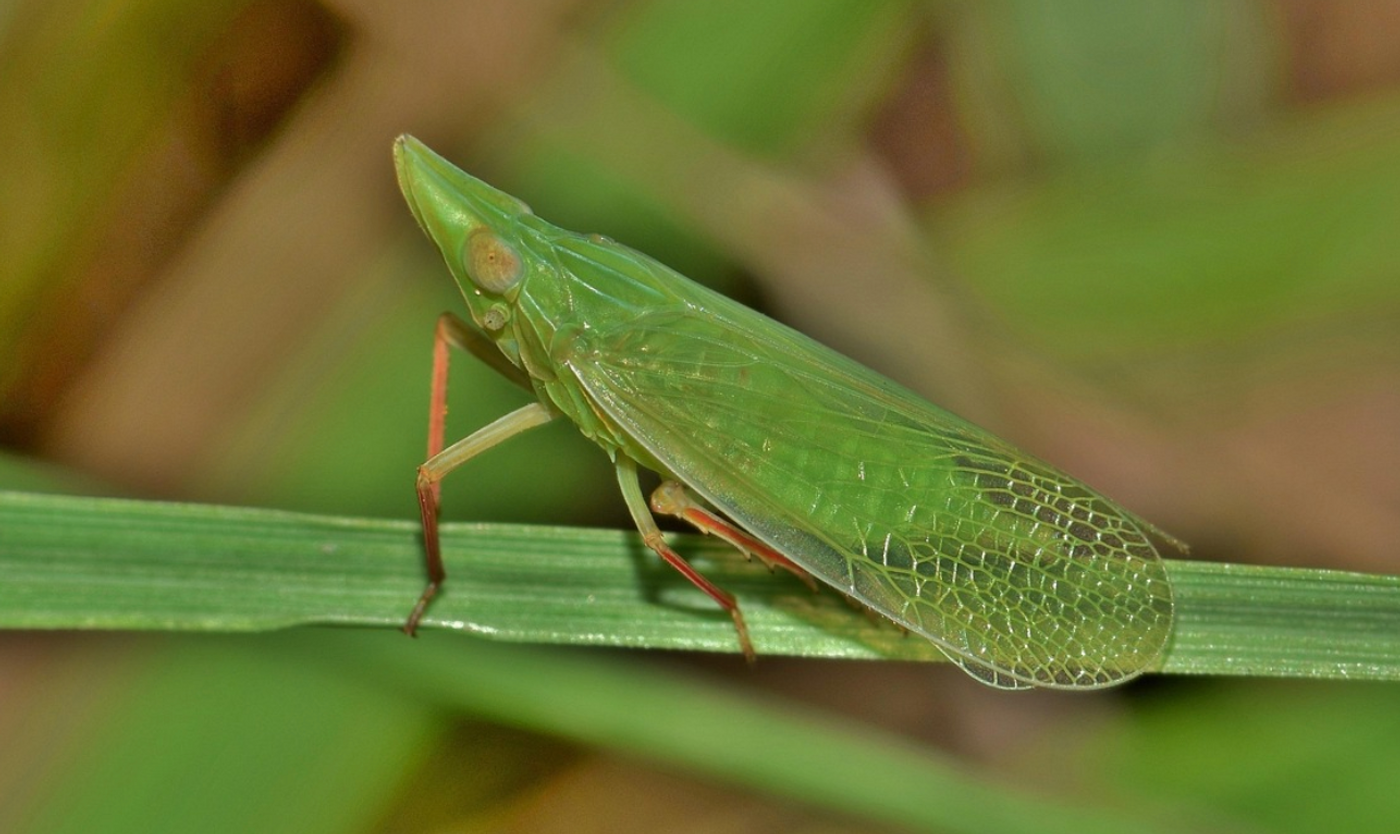
Sulcia and Vidania are two bacterial endosymbionts that have lived within insects called planthoppers, in their abdomens, for over 260 million years.
This study analyzed the complete genes of 131 of these organisms: 63 Sulcia and 67 Vidania, to reveal genomes that are so tiny, they break records. Sulcia genomes were found to range from 137,729 base pairs (bp) to 180,379 bp; while Vidania genomes went from 50,141 bp to 136,554 bp. These Vidania genomes are the smallest ever found in bacterial cells.
These genomes only contain the barest of essential genes, which are primarily directed at generating an amino acid called phenylalanine that the host insect needs but does not make. The bacteria are therefore, extremely dependent on their host for survival, and almost function as organelles that only support their host. The authors speculated that their bacterial ancestors likely carried genomes that were at least three times bigger.
While this study has identified the smallest genome in bacterial cells, there could be even smaller genomes out there in other endosymbiotic bacteria. Learning more about them can help us understand how evolution has created specialized organelles, and what truly defines an organism.
“We begin to wonder what the minimum set of genes needed for life is and what the limits of life are in general,” noted senior study author Piotr Łukasik of Jagiellonian University.
Experienced research scientist and technical expert with authorships on over 30 peer-reviewed publications, traveler to over 70 countries, published photographer and internationally-exhibited painter, volunteer trained in disaster-response, CPR and DV counseling.