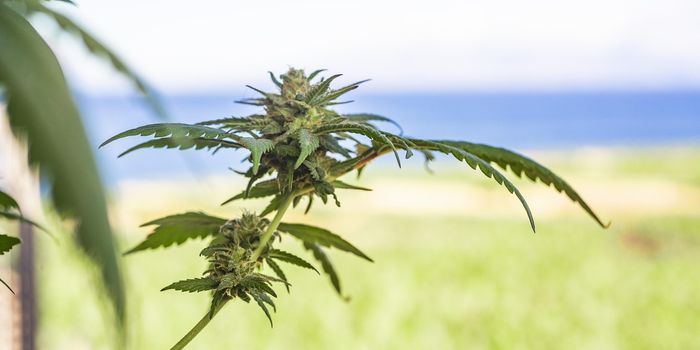
As cannabis legalization increases, more middle-aged and older adults have turned to cannabis for relief from pain, anxiety, and other health ailments. Although the public and health professionals have raised concerns about the risks of increased consumption in aging populations, a growing body of research reveals little evidence of a link between cannabis use and cognitive risks. A study published in BMJ Mental Health found no association between cannabis consumption and cognitive decline and risk of dementia in older adults.
The researchers conducted observational and genetic analyses using two major population cohorts: the UK Biobank (UKB) and the US Million Veteran Program (MVP). The data from UKB included more than 500,000 participants aged 40-69 who completed a 90-minute electronic questionnaire focusing on lifestyle, medical history, and sociodemographic information. The study indicated that cannabis users demonstrated significantly better cognitive performance. Data analysis did not reveal any causal link with cognitive decline in later life. Data from the MVP cohort included approximately 222,000 U.S. veterans. The research team analyzed up to nine years of the participants' data, which they linked to health records and categorized participant genotype data into ancestral groups. Data analysis showed that participants with a history of cannabis use demonstrated significantly better cognitive performance.
Although the findings suggested individuals with a history of cannabis use performed slightly better on some memory and logic tests, the researchers found no causal evidence that cannabis improved cognitive function.
The researchers noted some limitations of the study. The team only focused on the frequency of cannabis use and did not measure cannabis potency. Future studies that examine the dose amounts and potency would provide a more nuanced understanding of how cannabis consumption impacts brain function in aging populations.
Sources: BMJ Mental Health, News Tribune