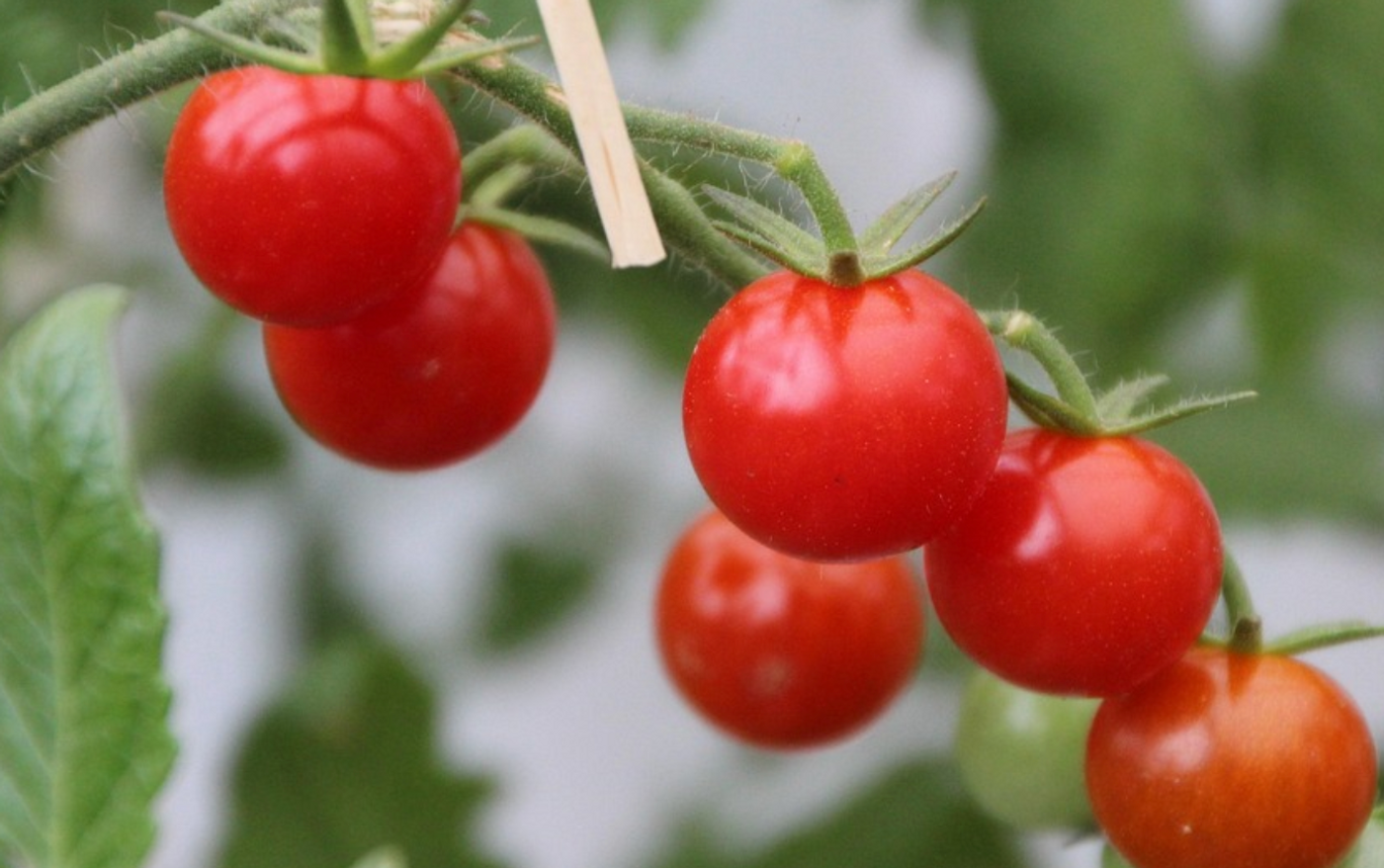
Researchers have engineered a tomato that carries much higher levels of vitamin A than tomatoes usually do, in an effort to help treat one of the most common vitamin deficiencies in the world. Since the tomato is one of the most popular vegetables eaten in the world, the scientists selected it for modification. Vitamin A deficiency can lead to growth impairment; disruptions in red blood cells; and problems with the immune system or vision. It’s estimated to impact almost 350 million people. These modified tomatoes carry extra beta-carotene, with is converted to vitamin A in the body. The consumption of 50 to 100 grams of these tomatoes could relieve vitamin A deficiency, suggested the research, which was reported in Plant Physiology.
"The levels of beta-carotene found in the improved tomatoes are more than those found in market tomatoes and in many beta-carotene-rich foods like kale and sweet potatoes," said senior study author Bala Rathinasabapathi, a Professor at the University of Florida’s Institute of Food and Agricultural Sciences (UF/IFAS).
The researchers added a gene called CaCCS (capsanthin/capsorubin synthase) to the tomato genome. This gene is part of a biochemical pathway in peppers related to the production of the pigments capsanthin and capsorubin.
When the gene was added to the tomato genome, the this led to an increase in pigment, as well as beta-carotene. The CaCCS gene increased beta-carotene production in several tomato varieties.
"The pigments are good for people because they are excellent antioxidants, like the color you see in sweet potatoes or carrots," explained Rathinasabapathi. When the CaCCS gene was expressed in tomatoes, they weren’t red, but orange. “The improved tomato had increased levels of pigments capsanthin, capsorubin, and beta-carotene. This made the new tomato nutritionally valuable."
The investigators also crossed the newly created tomatoes with different varieties, to produce hybrids. These tomatoes were larger, as well as especially nutritious, carrying even higher levels of capsanthin, capsorubin, and beta-carotene.
Beta-carotene is a molecule called a provitamin A, which can be converted into vitamin A.
"In general, tomatoes accumulate lycopene—the red pigment—but not high levels of beta-carotene," Rathinasabapathi added. "We can confidently say our improved tomatoes are nutritionally more valuable than commercially available tomatoes and some of the food material known for beta-carotene, such as carrots and kale."
Experienced research scientist and technical expert with authorships on over 30 peer-reviewed publications, traveler to over 70 countries, published photographer and internationally-exhibited painter, volunteer trained in disaster-response, CPR and DV counseling.