The microbes in the human gastrointestinal tract can exert a strong influence on our bodies, in part by creating and modifying molecules that come from our diet. For example, gut microbes can break down compounds called polyphenols, which are often found in plant-based foods including berries, cocoa powder, nuts, coffee, and tea, to generate a metabolite called hippuric acid. Scientists have now shown that hippuric acid can amplify signals from the immune system to boost inflammatory response in the early stages of an infection, but which also makes them excessively and dangerously high as an infection progresses to sepsis. The findings have been published in Cell Reports.
This research also found that the likelihood of mortality increased as the levels of hippuric acids got higher. Since hippuric acid can influence immune responses, the findings could also help improve treatments for severe infections and maybe some other diseases.
"Hippuric acid is a metabolite that has historically been seen as a benign byproduct of metabolism and is therefore understudied," said senior study author Rahul S. Shinde, D.V.M., Ph.D., an assistant professor at The Wistar Institute. "This paper identifies that it's not just a passive byproduct. It has bioactive potential to influence the immune system."
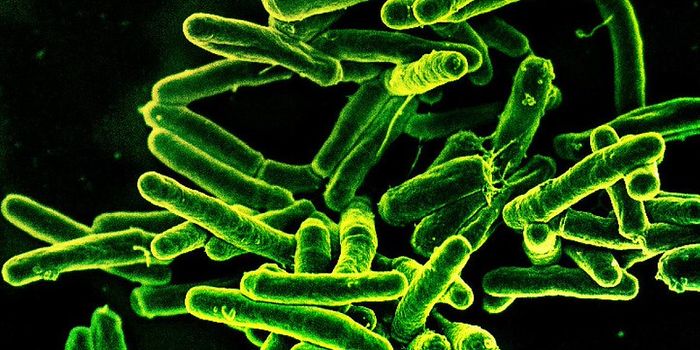
In this study, the scientists assessed models of E. coli infection, and found that hippuric acid levels dropped 24-fold within the first two days of infection.
When models were exposed to hippuric acid, it modified the immune response like a dial; it could increase the production of molecules that boost inflammation, such as IL-12 and IL-6 while anti-inflammatory signals were reduced.
The immune system has to be very carefully controlled, as inflammation can have seriously detrimental effects if it is not turned down when neccessary, or if it is not activated when required.
Hippuric acid has been assumed to have small or negligible effects, but this work has indicated that it may be able to cause dangerous immune overreactions. When the researchers examined human sepsis patients, they found that those with elevated hippuric acid levels were significantly more likely to die.
Hippuric acid can trigger a biochemical cascade. "It's a chain of events," said Shinde. "Hippuric acid is acting via the TLR/MyD88 pathway and promoting the inflammatory signal; inflammatory responses go up; and then genes that are part of lipid remodeling in macrophages get activated, contributing to inflammation."
Now, the researchers are continuing to study the effects of this molecule.
"We want to understand the impact of hippuric acid levels on a chronic basis. If somebody eats blueberries and a polyphenol-rich diet, is it helpful over the long term or not?" said Shinde. "These things really shape health outcomes."
Experienced research scientist and technical expert with authorships on over 30 peer-reviewed publications, traveler to over 70 countries, published photographer and internationally-exhibited painter, volunteer trained in disaster-response, CPR and DV counseling.