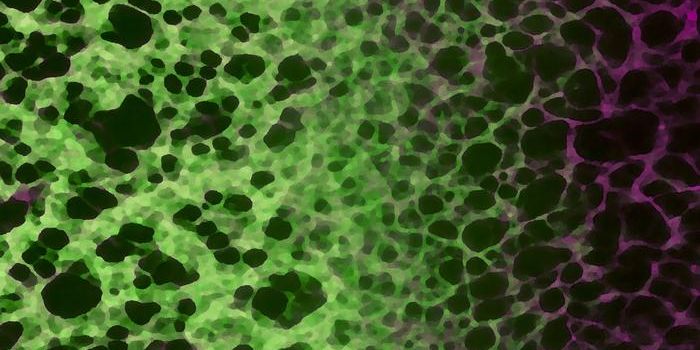
A variety of new research tools have been developed by different teams around the world, and many are now available online for free use. These atlases explore many health and biomedical research topics.
A Human Organ Atlas
One new reference tool is a human organ atlas, which enables users to explore human anatomy from a broad view that includes structures like organs, down to details such as cells. This new Human Organ Atlas (HOA) can be accessed through a web browser (here) without special software. The efforts have been reported in Science Advances.
This atlas already contains data for 56 organs from 25 donors, in three-dimensional detail. But the researchers are still adding to this work and will continue to expand the atlas more in the future.
An Atlas of Aging in Tissues
Another new atlas explores the epigenome, or genomic characteristics that can change how genes are expressed without altering the genetic sequence. This may include details such as the structure of DNA or methylation patterns. This atlas has characterized epigenetics in the aging mouse.
This atlast includes data on thousands of subtypes of cells in 21 mouse tissues at three different ages. This work also showed that many biological changes that happen during aging occur in multiple tissue types at the same time. About half of the observed changes were different in male and female mice as well. This work was reported in Science, and the data is also free to access at epiage.net.
Epigenetic Maps of the Brain Reflect Changes in Aging
Another new atlas explores the epigenome of aging, but this one focuses on changes in the aging mouse brain. To build this atlas, the investigators used spatial transcriptomics data as well, in which the location of gene activity in cells is revealed. This information brings unprecedented detail to this atlas. The work was reported in Cell, and is also available online for anyone to access.
...And More...
Other new atlases also include an exploration of different stanges of embryonic development that used a zebrafish model, and was reported in Science.
Another is an atlas of bone marrow cells that is meant to be a resource for researchers studying leukemia, and was reported in Nature Immunology.
Experienced research scientist and technical expert with authorships on over 30 peer-reviewed publications, traveler to over 70 countries, published photographer and internationally-exhibited painter, volunteer trained in disaster-response, CPR and DV counseling.


![Everything You Need To Know About NGS [eBook]](https://d3bkbkx82g74b8.cloudfront.net/eyJidWNrZXQiOiJsYWJyb290cy1pbWFnZXMiLCJrZXkiOiJjb250ZW50X2FydGljbGVfcHJvZmlsZV9pbWFnZV9mNTM1ZjIyYzA5MDE5ZmNmMWU5NmI0ZDc4NWU2MzdiZTZlN2I5ZDk5XzE4NDUuanBnIiwiZWRpdHMiOnsidG9Gb3JtYXQiOiJqcGciLCJyZXNpemUiOnsid2lkdGgiOjcwMCwiaGVpZ2h0IjozNTAsImZpdCI6ImNvdmVyIiwicG9zaXRpb24iOiJjZW50ZXIiLCJiYWNrZ3JvdW5kIjoiI2ZmZiJ9LCJmbGF0dGVuIjp7ImJhY2tncm91bmQiOiIjZmZmIn19fQ==)