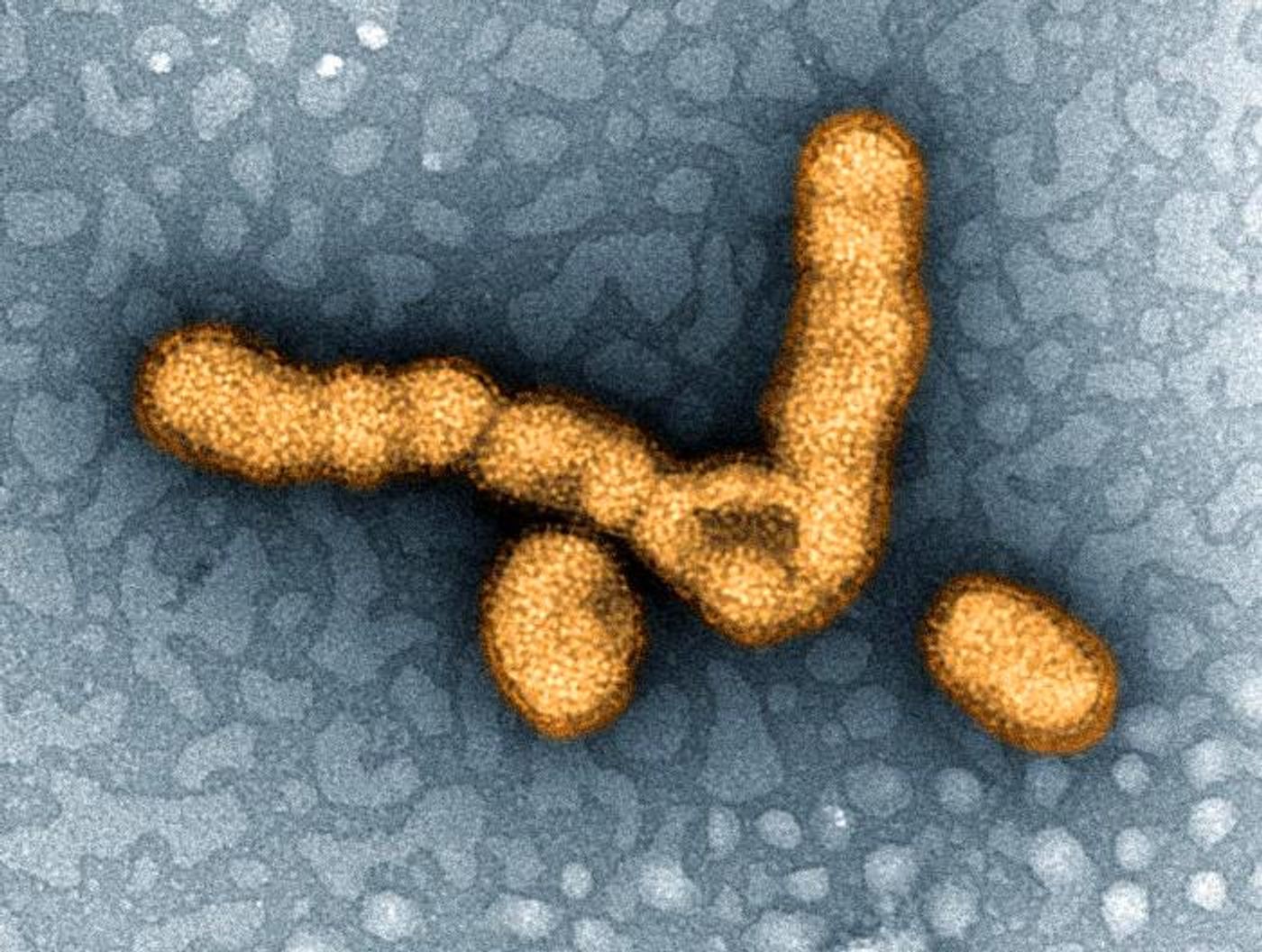
When vaccines are designed, scientists have aimed to prevent the virus from spreading to others, or stop it from producing more flu particles in an infected person. But now researchers think a vaccine could do both. In a new strategy, scientists looked at whether it was possible to take aim at two proteins on flu surfaces, called hemagglutinin (HA) and neuraminidase (NA), to reduce flu infection and transmission. The strategy was shown to be effective. Although this work was done in ferret models, it may translate to human vaccines. The findings have been reported in Science Advances.
“This suggests that intentionally targeting these two proteins together in future vaccines could help curb spread,” said senior study author Troy Sutton, an associate professor of immunology and infectious disease at Penn State. “Critically, transmission was reduced without accelerating viral evolution inside the host, which is a key concern in vaccine design.”
In this study, the investigators assessed the effectiveness of immunity from either a previous infection, or from vaccination in a ferret model of H1N1 influenza infection. The respiratory system of ferrets is very similar to humans, making them a good flu infection and transmission model.
The H1N1 flu strain can cause flu outbreaks during the fall and winter, and typical flu symptoms like fatigue, fever, and respiratory illness.
Ferrets that were flu-infected, were put in shared cages with uninfected ferrets. The researchers monitored whether immunity to either hemagglutinin, neuraminidase, or both proteins had an impact on flu transmission. The investigators also analyzed transmission rates, viral shedding, and evolution in the viruses.
This work showed that when animals were immune to both hemagglutinin and neuraminidase, the risk of transmission to uninfected animals dropped by half, which was an additive affect; immunity to both proteins were contributing equally to this reduction.
The scientists also found that if viral levels got low enough early on in the course of an infection in a host, transmission also got more unlikely.
“That insight could help guide future vaccine design, especially efforts that aim not only to prevent severe illness but to limit viral transmission itself,” Sutton said.
There was also no indication that the virus had evolved to evade this immunity to both proteins. So it would suggest that rapid evolution is not promoted when both proteins are targeted.
“Our work strengthens the growing consensus among experts that influenza vaccines need to target multiple influenza virus proteins to be maximally effective,” Sutton said. “Vaccines of the future may need to do more than trigger strong antibody responses. They may need to blunt spread at the source and that may mean doubling up on the immune targets the virus relies on most.”
Experienced research scientist and technical expert with authorships on over 30 peer-reviewed publications, traveler to over 70 countries, published photographer and internationally-exhibited painter, volunteer trained in disaster-response, CPR and DV counseling.