Drugs and different treatments approved by the U.S. Food and Drug Administration (FDA) for a specific disease can be repurposed for other pathologies. The application of applying FDA-approved drugs to other diseases has become common for various reasons including, (1) known safety in patients, (2) common overlapping mechanisms within diseases, and (3) strong efficacy. A major benefit to repurposing FDA-approved drugs is that patients can tolerate it and the adverse effects (AEs) are known. This eliminates any uncertainty with how patients will respond and provides confidence that the drug has a strong, beneficial effect. Scientists have also realized that many disease states are characterized by similar immune responses, genetic mutations, and cell dysregulation. Consequently, many current drugs on the market are attractive solutions for different diseases.
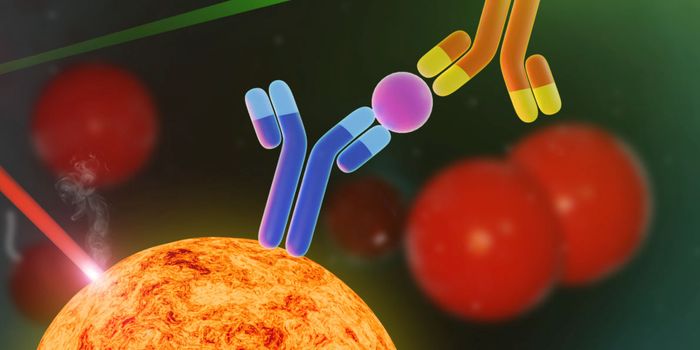
A recent article in Cell Reports, by Dr. Silke Paust and others, demonstrated that a protein already targeted and FDA-approved for cancer treatment known as Programmed Death-Ligand 1 (PD-L1) can help clear lungs infected with influenza. In cancer, anti-PD-L1 blocks surface marker interaction between the tumor and a specialized immune cell, known as a T cell. This inhibition activates the T cell to recognize and target the cancer. However, researchers found that in viral infections, stimulating the PD-L1 pathway actually improves the immune response. Paust is a Professor at the Jackson Laboratory in Farmington, CT, USA. Her work focuses on testing novel immunotherapies that specifically target T cells and natural killer cells. Paust and her team are working to generate strong, long-lasting antitumor immunity to prevent cancer recurrence in patients.
Researchers discovered that activating PD-L1 can mitigate severe respiratory infections in patients with immunodeficiencies, including Human Immunodeficiency Virus (HIV) and immunosuppression from chemotherapy. This goes against the well-known concept that blocking PD-L1 is necessary to get strong antitumor immunity. Thus, these proteins and pathways are disease specific. This new discovery concludes that PD-L1 has more functions that just helping tumors evade the immune system. Paust and her team found that PD-L1 actually promotes immune cell killing against infected cells, enhancing host defense.
Researchers used mouse models that lacked most of their immune system. These immunocompromised mice help isolate cell populations to determine which immune cell has a strong effect on disease progression. They found that natural killer cells play a critical role in clearing out infection when T cells are lacking. NK cells produce large amounts of PD-L1 in response to viral infections and when activated with more PD-L1, mice with influenza lived longer and were able to prevent further lung damage.
Paust and her team took a closer look at how this occurred. They found that NK cells also produced a protein called tumor necrosis factor-related apoptosis-inducing ligand (TRAIL). After human lung tissue and blood analysis from COVID-19 patients, researchers confirmed that COVID-stimulated NK cells produce PD-L1 and high levels of TRAIL. Scientists hope this will offer insight into a novel mechanism they can further target to improve treatment for influenza. Overall, this work establishes new knowledge of PD-L1’s role in infection and how physicians may better control infection in immunocompromised patients.
Article, Cell Reports, Silke Paust, Jackson Laboratory