As research rapidly evolves beyond traditional 2D models, 3D cell culture has become essential for generating physiologically relevant data in drug discovery, cell analysis, and tissue engineering. However, working with complex 3D systems introduces new technical challenges—especially in pipetting, liquid handling, and hydrogel manipulation.
The 3D Cell Culture Pipetting Techniques Compendium is a comprehensive eBook designed to help researchers overcome these challenges and achieve greater precision, consistency, and reproducibility in advanced cell culture workflows.
Why Pipetting Precision Matters in 3D Cell Culture
Unlike 2D cultures, 3D cell models rely heavily on viscous hydrogels, delicate cell structures, and precise volumetric control. Manual variability, inconsistent mixing, and bubble formation can compromise cell viability and experimental outcomes. As a result, even small inconsistencies in liquid handling can lead to data variability and reduced reproducibility.
This eBook addresses these critical pain points by outlining best practices for pipetting in 3D cell culture, helping scientists standardize workflows and improve confidence in their results.
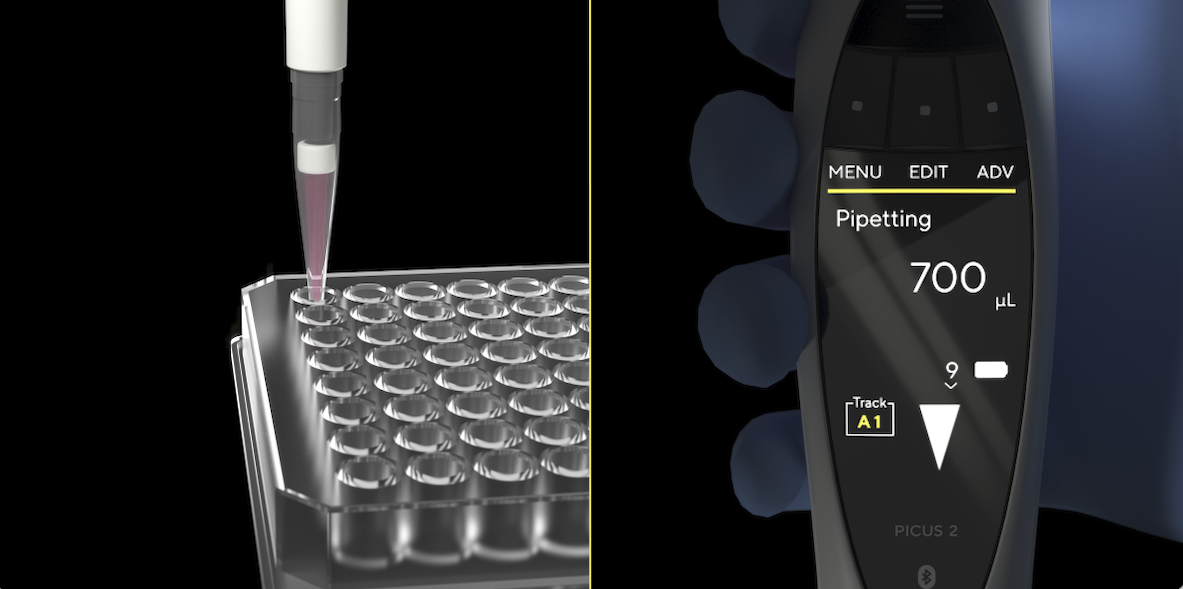
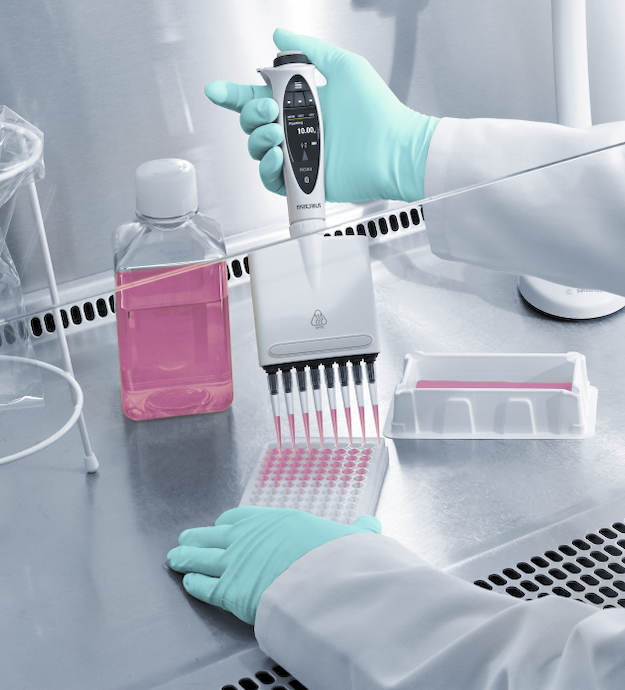
Elevate Your Workflow with Electronic Pipetting
One of the most effective ways to reduce user-to-user variability is through electronic pipetting technology. The guide explores how electronic Picus® 2 pipettes enable:
Standardized pipetting speeds
Controlled mixing for viscous materials
Improved consistency across experiments
By minimizing manual error, electronic pipettes support more reliable and repeatable 3D cell culture experiments, particularly when working with hydrogels and sensitive cell models.
Synthetic Hydrogels: A Reproducible Alternative
Hydrogels play a central role in 3D cell culture, but traditional animal-derived matrices can introduce batch-to-batch variability. The eBook highlights the growing adoption of synthetic hydrogels, which offer:
Enhanced reproducibility
High cell viability
Greater experimental control
Practical guidance is provided on how to integrate synthetic hydrogels into existing workflows, supporting more robust and scalable 3D cell culture models and other New Approach Methodologies (NAMs).
Best Practices for Optimal Cell Viability
Beyond tools and materials, technique matters. The compendium outlines actionable best practices for:
Avoiding bubble formation during mixing
Maintaining uniform cell distribution
Improving handling of viscous solutions
These insights help researchers protect cell integrity while ensuring consistent experimental conditions.
Who Should Read This eBook?
This resource is ideal for:
Researchers transitioning from 2D to 3D cell culture
Scientists working in drug discovery or tissue engineering
Laboratories seeking improved reproducibility and standardization
Download the 3D Cell Culture Pipetting Techniques Compendium
Precision and reproducibility are critical for advancing biomedical research. By mastering modern 3D cell culture pipetting techniques, you can generate more reliable data, improve experimental confidence, and accelerate discovery.
Access the Compendium today and equip yourself with the knowledge to refine your methodologies, ensuring your research stands out in the competitive field of advanced cell models.
You're almost there!
Fill out the form below to get permanent access to this free article.
Sartorius is a leading international partner to the biopharmaceutical research and manufacturing industries. The Lab Products & Services Division focuses on innovative laboratory instruments and consumables for research and quality assurance laboratories in pharmaceutical and biopharmaceutical companies as well as academic research institutions. The Bioprocess Solutions Division supports customers with a broad product portfolio focused on single-use solutions for the safer, faster, and more sustainable production of biotech drugs, vaccines, and cell and gene therapies.
 Elevate Your Workflow with Electronic Pipetting