




eBook
MAR 10, 2026 6:40 AM PDT

Accelerating Cell Line Development with Integrated Automation

SPONSORED BY: Sartorius
You don't want to miss this!
To permanently access this Article for free, fill out the short form below.
Unlock Article
ALREADY ACCESSED THIS Article? SIGN IN

Discover how integrated automation enables earlier clone selection, better monoclonality assurance, and scalable 3D biology workflows.

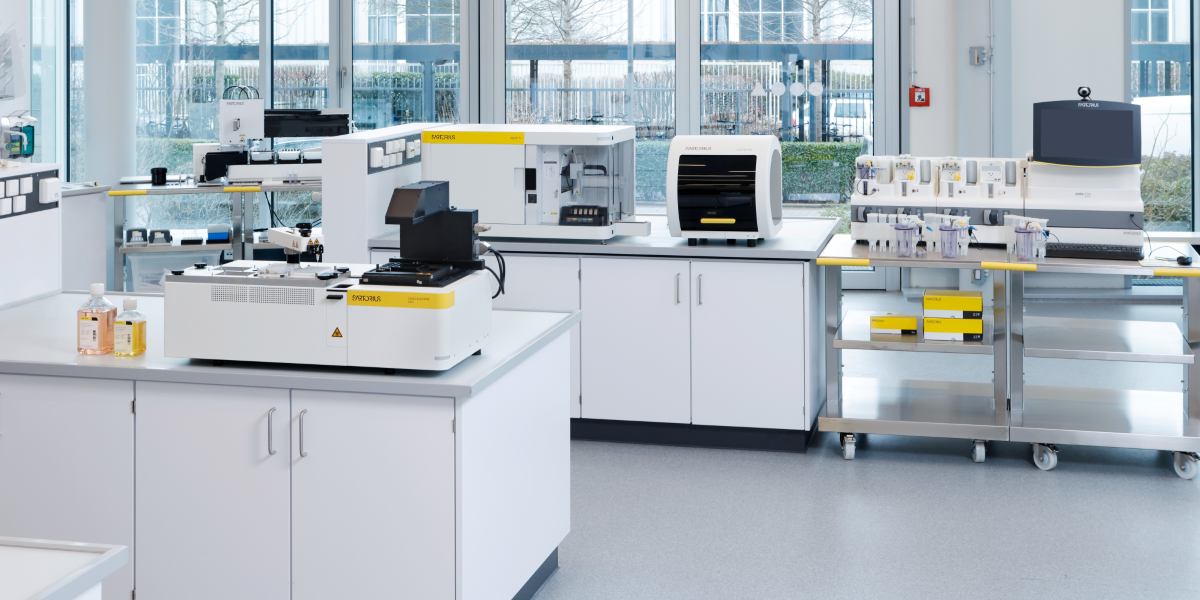
Biologics and cell therapy programs face increasing pressure to generate high-quality cell lines and physiologically relevant 3D models, faster and with greater reproducibility.

Integrated automation is emerging as a powerful solution, connecting single-cell isolation, clone tracking, productivity screening, and organoid selection into unified workflows.

In this article, explore how these technologies are helping teams accelerate decision-making, improve monoclonality assurance, and scale complex biology workflows.

What You'll Learn:

  • Why modern CLD workflows demand higher throughput and stronger monoclonality assurance
  • How next-generation nanowell plates improve single-cell isolation and clone detection
  • How fluorescence-based screening enables productivity assessment in just 3–4 days
  • Real data comparing standard vs. next generation nanowell formats
  • How automation supports reproducible organoid and spheroid workflows
  • Why integrated, data-connected systems reduce variability and accelerate development timelines

You May Also Like
Loading Comments...