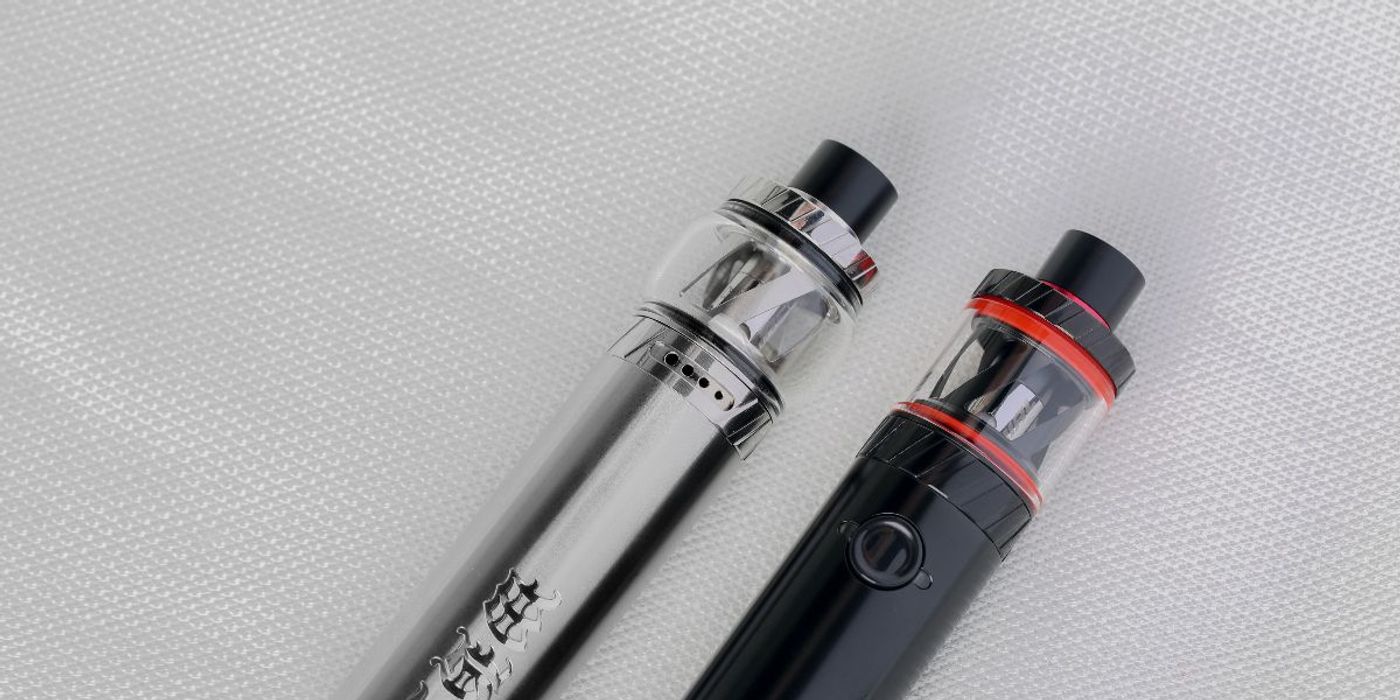
A new study found that adolescents who are male, non-Hispanic White, and currently using alcohol or tobacco are more likely to vape cannabis. The corresponding study was published in the Journal of Studies on Alcohol and Drugs.
Between 2013 and 2020, past-30-day prevalence of cannabis vaping increased by over five times in the US from 1.6% to 8.4% among US and Canadian adolescents. Understanding more about the demographics of who is most at risk of vaping cannabis could help allocate resources to harm reduction and preventative interventions.
In the current study, researchers summarized and meta-analyzed data from over 568,000 individuals from 31 studies, including 26 focusing on adolescents aged between 12 and 18 years old, and five on young adults aged between 19 and 34 years old. The studies included sociodemographic information, mental health data, and other substance use correlates of cannabis vaping.
Overall, the researchers found that males were 79% more likely than females to vape cannabis. They further found that older adolescents were 26% more likely to vape cannabis, while those using tobacco were 62% more likely, and alcohol users: 152% more likely. Non-Hispanic Black adolescents were 45% less likely to vape cannabis. The researchers noted that there was insufficient data to draw definitive conclusions for young adults, although similar associations were identified between biological sex and tobacco use with cannabis vaping.
“[The] findings highlighted the need to tailor prevention initiatives for these populations and to conduct further research on the association between cannabis vaping and mental health disorders,” wrote the researchers in their study.
They added that the study provides evidence to inform policies that discourage cannabis vaping, and that future research should focus on young adults. Among the limitations, they noted that, as the studies were primarily from North America, the findings may not apply to other jurisdictions where cannabis laws are more or less permissive.
Sources: Journal of Studies on Alcohol and Drugs