A study presented at the American Society of Clinical Oncology’s Genitourinary Cancers Symposium last week had some scary takeaways. The authors reported finding small pieces of plastic in 9 out of 10 prostate cancer patients! The levels of plastic detected appear highest inside tumors compared to surrounding normal tissues.
The researchers questioned whether plastic might play a role in the development of prostate cancer. Since prostate cancer is the most common cancer in men, with about 333,830 new cases expected this year, studying its causes could help guide future prevention efforts.
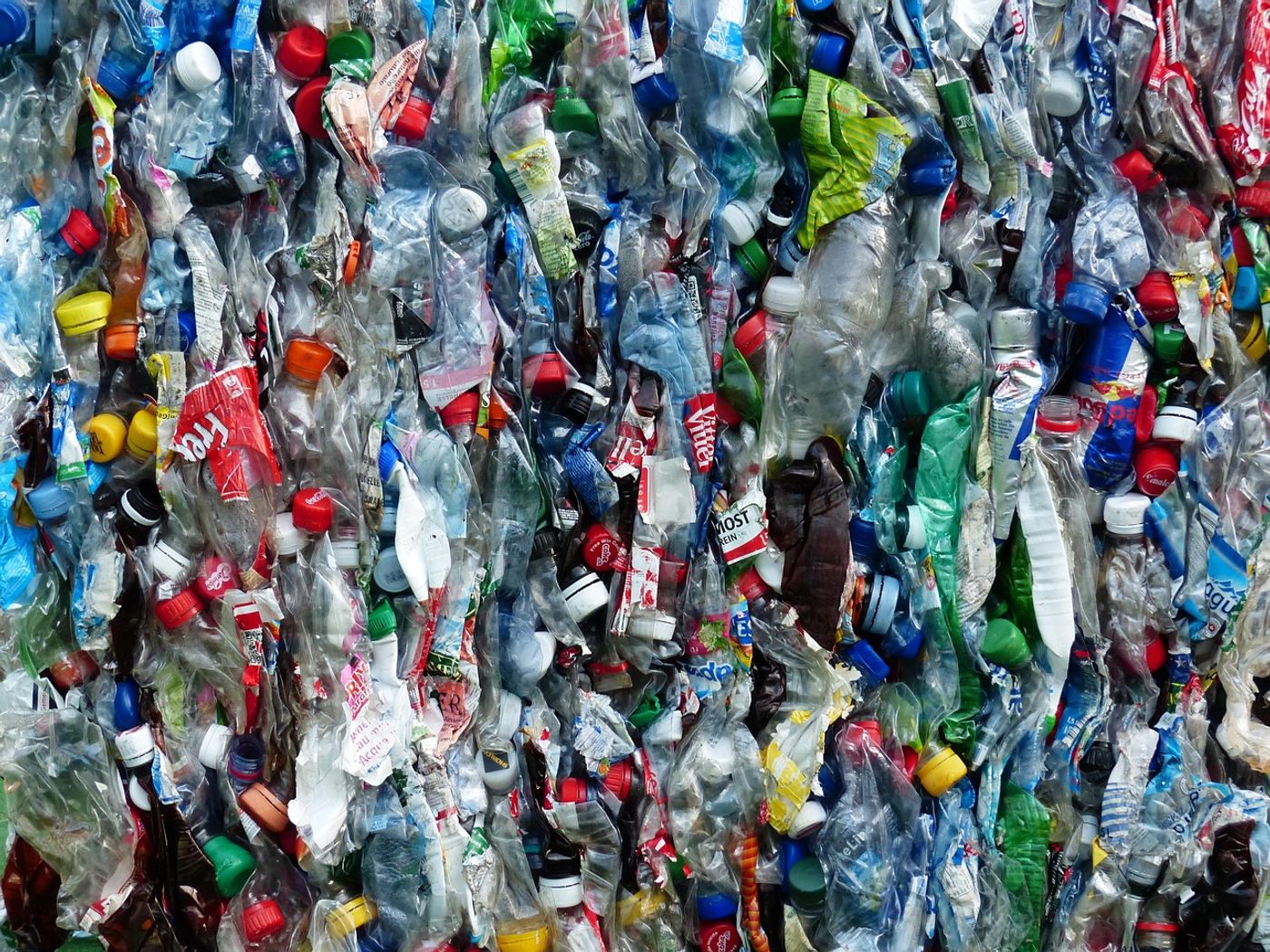
Exposure to plastics has become a widespread issue worldwide. Plastics from packaging, cosmetics, clothing, and accessories can break down into small pieces. These pieces, sometimes called microplastics, can be ingested, inhaled, or absorbed. Microplastics have been found in foods, drinking water, human organs, and the human placenta. However, the full extent of health effects associated with microplastics remains unclear.
The team studied both cancerous and non-cancerous tissues from ten prostate cancer patients. They found microplastics in 90% of tumors and in 70% of noncancerous tissue. On average, cancer tissue contained about 40 micrograms of plastic per gram, which is more than twice the amount found in healthy prostate tissue (about 16 micrograms per gram).
A press release from New York University Langone Health, where the study was done, says this is the first research to look at microplastics in prostate cancer and compare them to noncancerous tissue.
Overall, these findings suggest there may be a strong link between microplastic buildup in prostate tissue and the start of prostate cancer. More research is needed to confirm this connection, but these results could encourage people to reconsider how they use plastics. This study highlights the need to reduce plastic exposure, such as by cutting back on plastic in food and drink packaging.
Sources: ASCO Genitourinary Cancers Symposium, CA Cancer J Clin, Environ Int, Water Res, Annal Int Med, Mar Pollut Bull